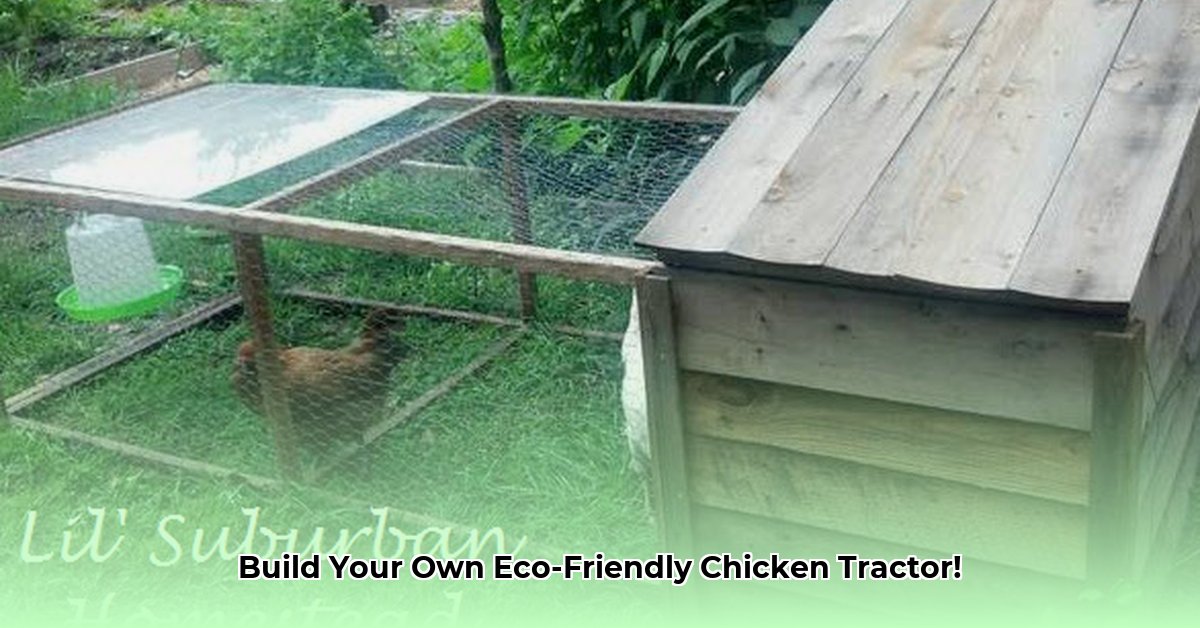
Finding the Right Pallets: The Foundation of Your Project
Before you start building your eco-friendly chicken home, you need the right materials. Recycled pallets are a fantastic, budget-friendly option, but choosing the right ones is crucial. Look for pallets stamped "HT" (heat-treated), indicating they're safe for your chickens and free of harmful chemicals. Avoid pallets marked "MB" (methyl bromide treated), as these contain pesticides. Where can you find these? Lumberyards, construction sites, and even on Craigslist or Facebook Marketplace are great places to start your search. Inspect each pallet carefully for cracks, rot, or significant damage; you want a strong foundation for your chicken tractor. Remember, a sturdy base is essential for a safe and long-lasting coop. Have you ever considered how much you can save by using recycled materials? Many homesteaders find that using recycled pallets cuts their building costs significantly – often more than 50%! For another coop design, check out this PVC chicken tractor plan.
Designing Your Chicken Tractor: A Home Sweet Home for Your Flock
Now for the fun part: designing your chicken's new home! The size of your chicken tractor will depend on the number of chickens you plan to house. A good rule of thumb is to allow about 4 square feet per chicken. Consider sketching out a design to visualize the layout and ensure all components fit together properly. Include features like ramps for easy access, roosting bars for comfortable perching, and nesting boxes if you want egg-laying inside the tractor. Have you thought about the benefits of a mobile coop? A movable chicken tractor provides fresh grazing areas for your chickens and allows for natural soil enrichment through their droppings. This simple design choice reduces the spread of parasites and contributes to a healthier flock.
Building Your Mobile Coop: A Step-by-Step Guide
Let’s build! Here’s a simplified step-by-step guide:
Building a Solid Base: Securely fasten several pallets together to create a sturdy base. For extra stability, consider reinforcing it with additional wood, especially if you live in an area with strong winds or heavy snow. (Remember, a strong base is key to a long-lasting coop.)
Constructing the Walls and Roof: Use more pallets to build the walls, attaching them securely to the base. Make sure the walls are level and strong. Build a sloped roof using more pallets or plywood for weather protection. (Consider using waterproof sealant for added protection against rain and snow.)
Creating the Run Area: Attach wire mesh to the back of the tractor to create a safe roaming area for your chickens while keeping them securely contained. (The size of the run should be proportional to the size of your coop. A larger run will give your chickens more room to roam.)
Adding Doors and Ventilation: Install a door for easy access, securing it with strong latches. Proper ventilation is crucial – add vents to prevent overheating and maintain a healthy environment. (Remember, good ventilation prevents moisture buildup which can cause disease.)
The Finishing Touches: Add roosting bars of different heights to accommodate different sized roosting preferences, a nesting box, and secure food and water containers. Consider painting your chicken tractor to enhance weather protection and aesthetics. (Use non-toxic, chicken-safe paint).
Moving Your Chicken Tractor: The Benefits of Mobility
One of the biggest advantages of a pallet chicken tractor is its mobility! Moving it regularly allows your chickens access to fresh pasture, reducing parasite buildup and enriching the soil with their droppings. This natural fertilizer improves soil health and naturally controls pests, creating a more sustainable farming practice. Did you know that regularly moving your chicken coop can significantly improve soil fertility? Studies have shown that chicken manure can increase soil nutrient levels, reducing the need for chemical fertilizers.
Potential Challenges: Preparing for the Unexpected
While building a pallet chicken tractor is rewarding, it's wise to consider potential challenges. Predators are a concern: elevating the coop off the ground can help deter ground-dwelling predators. Weather extremes also need consideration; ensure your coop is waterproof and provides insulation during cold spells and heat waves. Regular maintenance and inspections are key to identifying and addressing any structural weaknesses or potential vulnerabilities before they become problems. Have you considered the importance of regular inspection? Regular checks can help prevent serious issues and ensure your chickens' safety and health.
Weighing the Pros and Cons: Is a Pallet Chicken Tractor Right for You?
Let's summarize the advantages and disadvantages to help you decide if a pallet chicken tractor is right for you.
| Pros | Cons |
|---|---|
| Budget-friendly | Requires DIY skills and effort |
| Environmentally friendly | Potential for structural weaknesses |
| Improves soil health and pest control | May require additional materials for roofing |
| Easy to move | Vulnerability to extreme weather |
| Relatively simple to build | Requires careful pallet selection |
Remember, building a pallet chicken tractor is a journey, not a race. Take your time, plan carefully, and enjoy the satisfaction of creating a sustainable and safe home for your chickens!